

Meze Platter
A Meze Platter is a delightful and versatile assortment of small dishes, popular across the Mediterranean, Middle East, and parts of the Balkans. Meze platters are designed for sharing and enjoyment, offering a variety of flavors, textures, and colors. They can include a range of dips like hummus and baba ghanoush, fresh salads, marinated vegetables, cheeses, olives, and often some small grilled items. Perfect for starting a meal, a light lunch, or as a communal feast, a Meze Platter is a celebration of diverse culinary traditions.
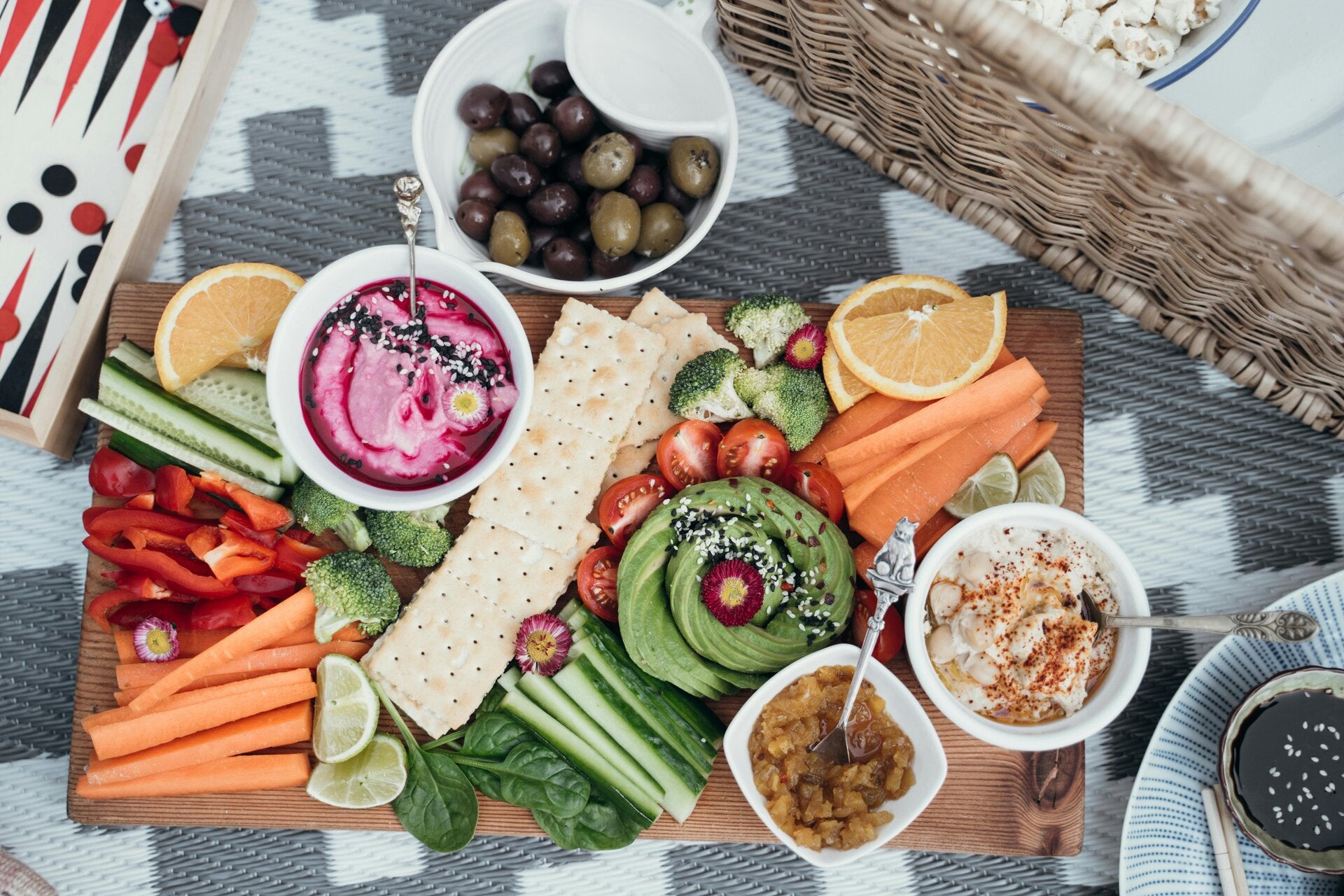
Components for your Meze Platter
To assemble a diverse and delicious Meze Platter, consider including the following components:
- Dips: Hummus, Baba Ghanoush, Tzatziki, or Muhammara
- Vegetables: Cucumber slices, cherry tomatoes, bell pepper strips, carrot sticks, radishes
- Marinated items: Olives (Kalamata, green), artichoke hearts, roasted red peppers
- Cheeses: Feta cheese, Halloumi (grilled), or fresh mozzarella balls
- Spreads: Ajvar, Lutenitsa, or a spicy feta dip
- Breads: Pita bread, flatbread, or crusty baguette slices
- Proteins (optional): Dolmades (stuffed grape leaves), grilled halloumi, small meatballs (kofta), or spiced chickpeas
- Garnish: Fresh parsley, mint, dill, lemon wedges, and a drizzle of extra virgin olive oil
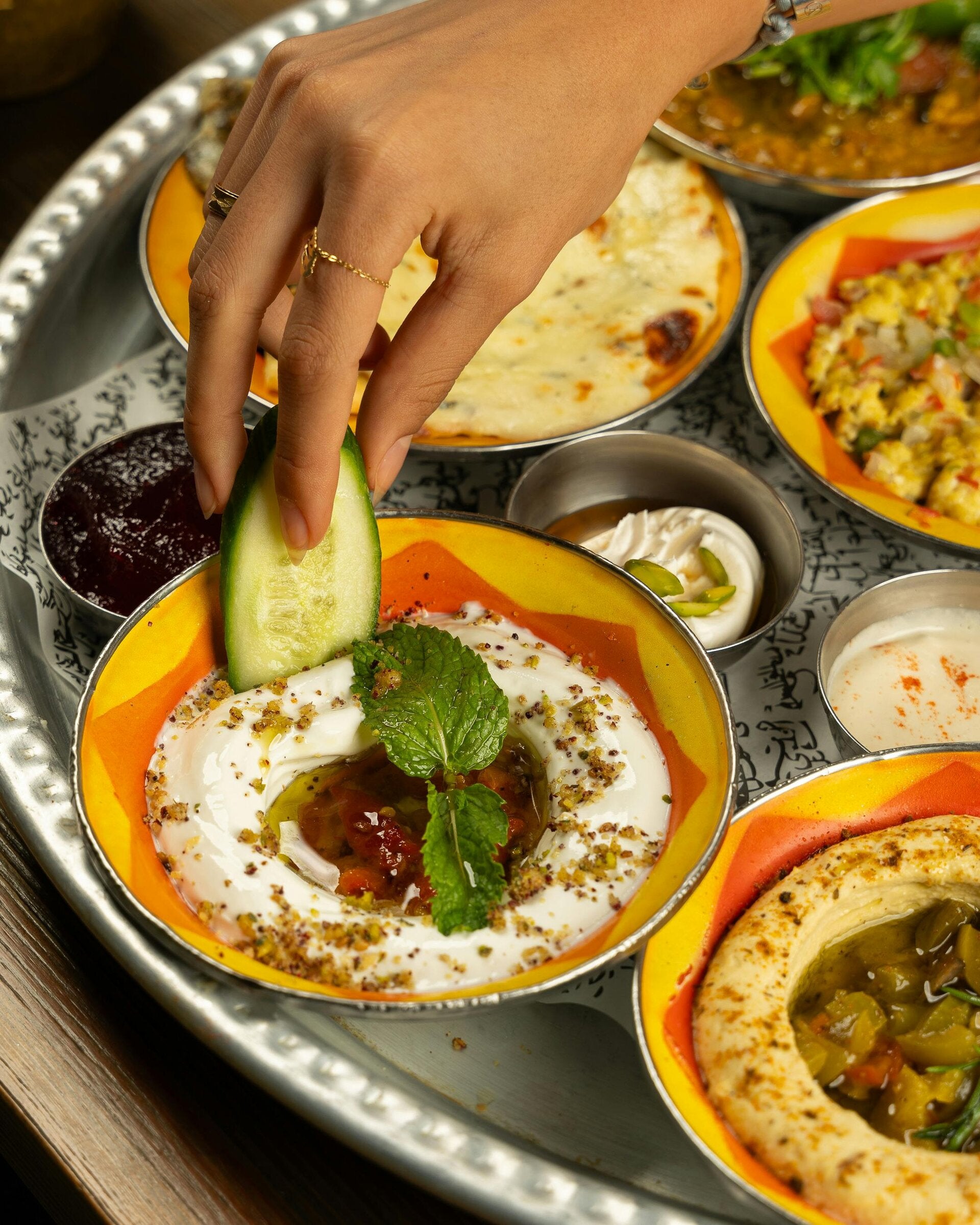
Step-by-step assembly guide
Follow these steps to create an appealing and delicious Meze Platter:
- Prepare your components: Ensure all dips are made or opened, vegetables are washed and sliced, cheeses are cubed or crumbled, and any grilled items are cooked.
- Choose your platter: Select a large, attractive platter or board that can accommodate all your chosen items.
- Place your dips: Start by placing your chosen dips (hummus, baba ghanoush, etc.) in small, decorative bowls on the platter. Distribute them strategically for visual balance.
- Arrange larger items: Next, add larger items like marinated artichoke hearts, roasted peppers, or grilled halloumi around the dips.
- Add vegetables and cheeses: Arrange your fresh vegetables (cucumber, tomatoes, bell peppers) and cheeses (feta, mozzarella) in appealing clusters.
- Scatter olives and smaller items: Fill in gaps with olives, dolmades, or spiced chickpeas. These smaller items add texture and color.
- Include bread: Place warm pita bread, flatbread, or baguette slices either directly on the platter or in a basket alongside it.
- Garnish and serve: Finish with fresh herbs like parsley or mint, lemon wedges, and a generous drizzle of good quality extra virgin olive oil over the dips and vegetables. Serve immediately and enjoy!
Chef's tips for the perfect Meze
Our culinary experts share their top tips to perfect your Meze Platter, ensuring a delightful and memorable experience every time.
- Variety is key: Aim for a balance of flavors (savory, tangy, spicy), textures (creamy, crunchy), and colors for an inviting spread.
- Homemade dips: While store-bought is convenient, homemade hummus and baba ghanoush elevate the flavor profile significantly.
- Freshness matters: Use the freshest vegetables and herbs available to maximize taste and visual appeal.
- Marinate wisely: Marinated vegetables and olives add depth of flavor. Consider making your own marinades with herbs and spices.
- Warm the bread: Lightly warm your pita or flatbread before serving; it makes a big difference in texture and aroma.
- Don't overcrowd: Arrange items thoughtfully, leaving a little space between components to make it easy for guests to serve themselves.
- Consider dietary needs: A Meze Platter is often naturally vegetarian or vegan-friendly, making it a great option for diverse groups.
We love hearing from you! Leave a comment or rate this guide to share your experience with our community. Your feedback helps us grow and improve.
Add comment
Comments