

Bibimbap
Bibimbap is a signature Korean dish, literally meaning "mixed rice". It consists of a bowl of warm white rice topped with namul (sautéed and seasoned vegetables), gochujang (chili pepper paste), soy sauce, or doenjang (fermented soybean paste), and a fried egg. The dish is stirred together thoroughly just before eating.
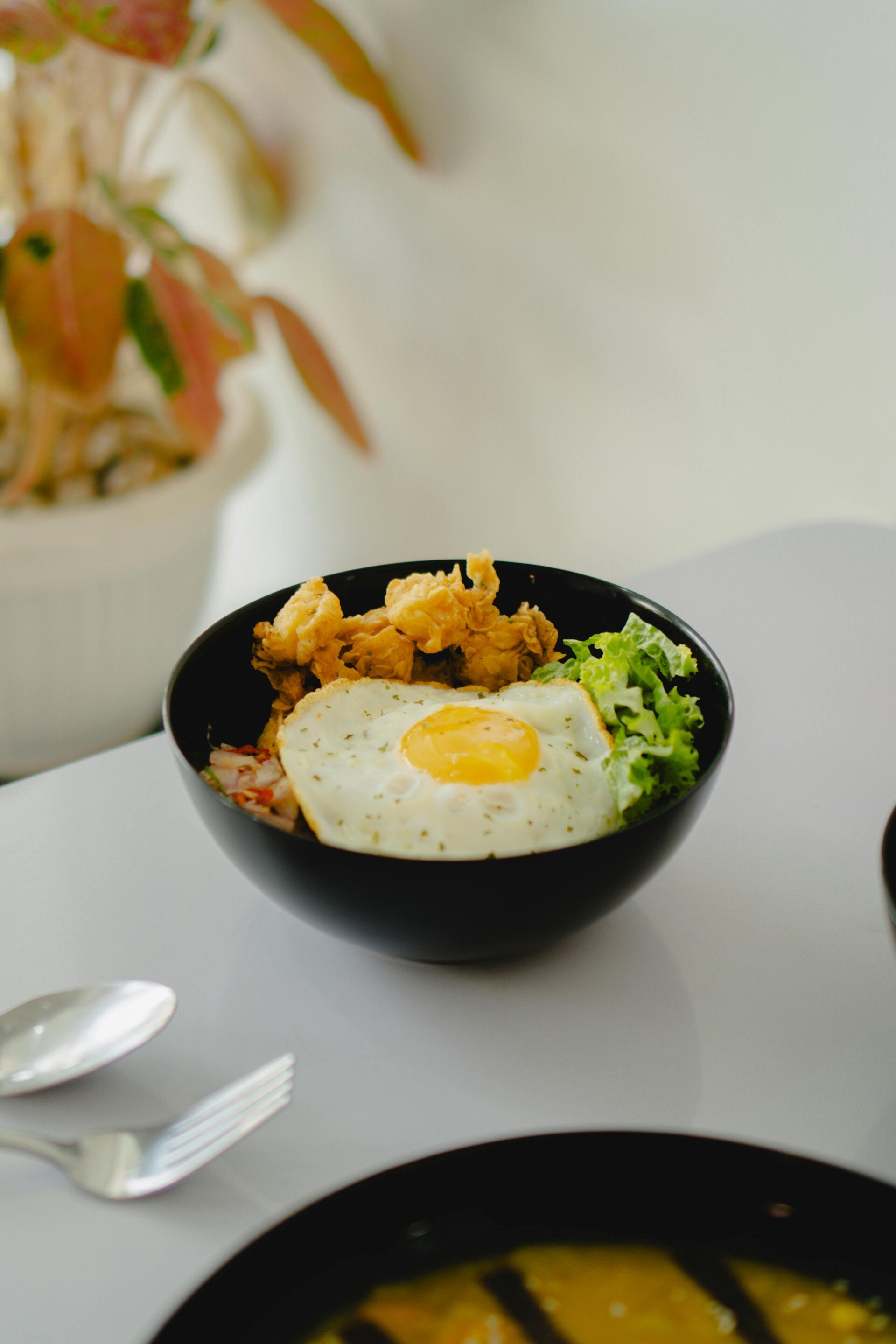
Ingredients you will need
To make delicious Bibimbap, you'll need the following fresh ingredients, carefully chosen for optimal flavor and texture:
- 2 cups cooked short-grain rice
- 150g beef sirloin or thinly sliced bulgogi meat, marinated (optional)
- 1 tablespoon soy sauce
- 1 teaspoon minced garlic
- 1/2 teaspoon sugar
- 1 teaspoon sesame oil
- 1/2 cup bean sprouts, blanched and seasoned
- 1/2 cup spinach, blanched and seasoned
- 1/2 cup carrots, julienned and sautéed
- 1/2 cup zucchini, julienned and sautéed
- 1/2 cup shiitake mushrooms, sliced and sautéed
- 1/4 cup gochujang (Korean chili paste)
- 2 fried eggs
- Sesame seeds for garnish
- Gim (roasted seaweed), shredded for garnish

Step-by-step instructions
Follow these detailed steps to prepare your own homemade Bibimbap, ensuring a perfect balance of flavors and textures:
- Prepare the rice: Cook short-grain rice according to package instructions. Keep warm.
- Marinate the beef (if using): In a bowl, combine beef with soy sauce, minced garlic, sugar, and sesame oil. Let marinate for at least 15 minutes. Cook in a hot pan until browned.
- Prepare the vegetables (namul): Blanch bean sprouts and spinach. Sauté julienned carrots, zucchini, and sliced shiitake mushrooms separately. Season each vegetable with a pinch of salt and sesame oil.
- Fry the eggs: Fry eggs sunny-side up, ensuring the yolk is still runny.
- Assemble the bowl: In a large serving bowl, place a bed of warm rice. Arrange the cooked beef (if using) and each seasoned vegetable attractively over the rice.
- Add toppings: Place a fried egg in the center. Add a dollop of gochujang on the side.
- Garnish and serve: Sprinkle with sesame seeds and shredded gim. Serve immediately and instruct diners to mix all ingredients together thoroughly before eating.
Chef's tips for success
Our VTSU Morey Dining Hall chefs share their expert tips to elevate your Bibimbap making. Learn the secrets to perfecting this recipe and impressing your guests.
- Colorful Presentation: Arrange the vegetables and toppings in a visually appealing way for a vibrant and appetizing dish.
- Runny Yolk: A perfectly fried egg with a runny yolk is crucial for adding richness and moisture when mixed.
- Customize Your Veggies: Feel free to use any vegetables you have on hand, such as cucumber, bell peppers, or radish.
- Taste the Gochujang: Adjust the amount of gochujang to your spice preference. You can also mix it with a bit of sesame oil and sugar for a milder flavor.
We love hearing from you! Leave a comment or rate this recipe to share your experience with the VTSU Morey Dining Hall community. Your feedback helps us grow and improve.
Add comment
Comments