

Miso
Miso, a traditional Japanese seasoning, is a thick paste produced by fermenting soybeans with salt and kōji (a fungus, Aspergillus oryzae), and sometimes rice, barley, or other ingredients. This versatile ingredient is celebrated for its deep umami flavor and its ability to add a complex savoriness to a wide array of dishes. From the light and subtly sweet white miso (shiro miso) to the rich and robust red miso (aka miso) and the earthy, balanced awase miso, the varieties offer a spectrum of colors, textures, and tastes. Miso is most famously used to make miso soup, a staple of Japanese cuisine, but it also shines in marinades, dressings, glazes, and stir-fries, contributing a distinctive depth that enhances both traditional and modern recipes. Its meticulous fermentation process not only develops its unique flavor profile but also contributes to its nutritional benefits, making miso a cherished component of healthy Japanese cooking.
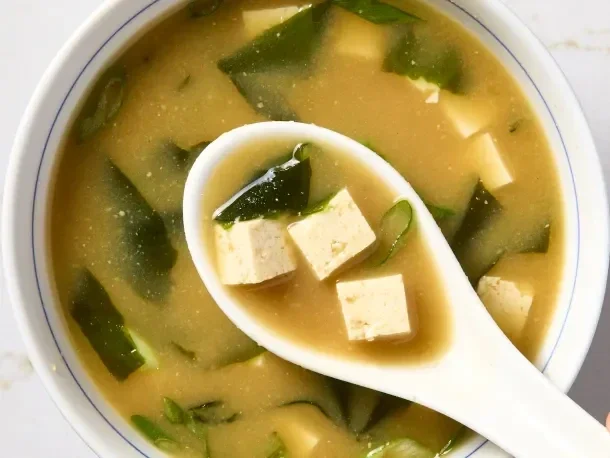
Ingredients you will need for Miso Soup
To create a delicious and authentic Miso Soup, you'll need the following ingredients:
- For the Dashi (Broth):
- 4 cups water
- 1 piece (4x4 inch) kombu (dried kelp)
- 1/2 cup katsuobushi (bonito flakes)
- For the Soup:
- 3-4 tablespoons miso paste (white, red, or awase)
- 4 oz firm tofu, diced into 1/2-inch cubes
- 2 green onions, thinly sliced
- Optional: Wakame seaweed, rehydrated and cut into small pieces
- Optional: Enoki mushrooms, trimmed
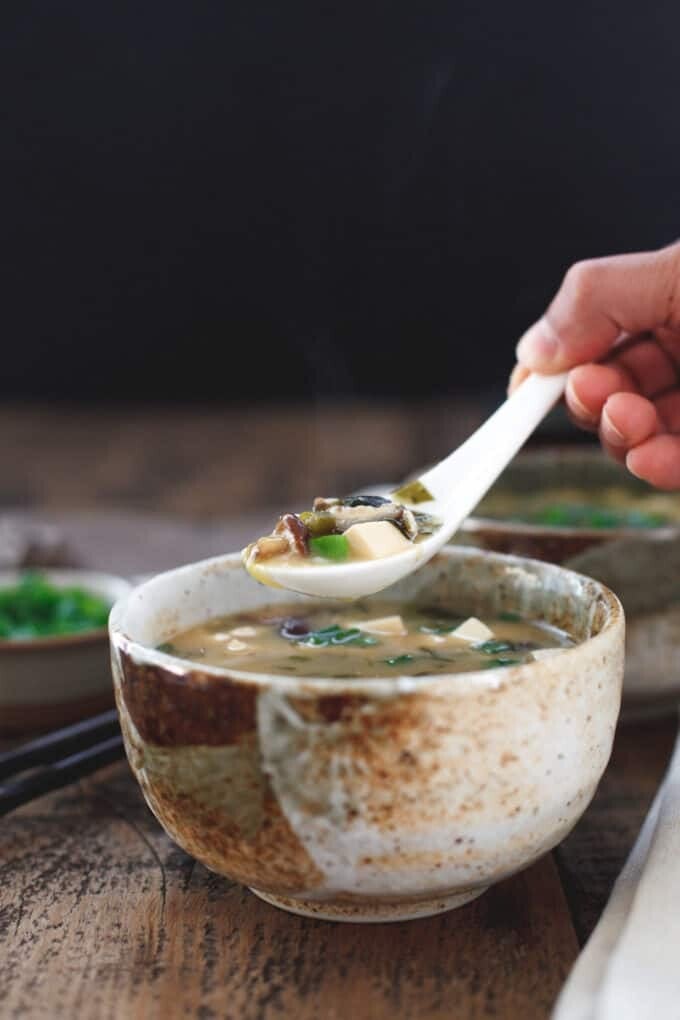
Step-by-step instructions for Miso Soup
Follow these simple steps to prepare your own authentic Miso Soup:
- Make the Dashi (Broth):
- In a pot, combine water and kombu. Let it soak for 30 minutes, or overnight for more flavor.
- Heat the pot over medium heat. Just before it boils, remove the kombu.
- Add katsuobushi and bring to a simmer. Cook for 30 seconds, then remove from heat.
- Strain the dashi through a fine-mesh sieve, discarding the katsuobushi.
- Prepare the Ingredients:
- Dice the tofu into small cubes.
- Thinly slice the green onions, separating the white and green parts.
- If using wakame, rehydrate in water for 5 minutes, then squeeze out excess water and cut into small pieces.
- Assemble the Soup:
- Return the dashi to the pot and heat over medium-low heat. Do not boil.
- Add tofu and any other optional ingredients like wakame or enoki mushrooms. Simmer for 2-3 minutes until heated through.
- Dissolve the Miso Paste:
- In a small bowl, scoop out some of the warm dashi. Add the miso paste to this bowl and whisk until completely dissolved and smooth.
- Pour the dissolved miso paste back into the pot with the dashi. Stir gently to combine.
- Crucially, do not boil the miso soup after adding the miso paste, as boiling can destroy the delicate flavors and beneficial enzymes of the miso.
- Serve Immediately:
- Ladle the hot miso soup into bowls. Garnish with sliced green onions (both white and green parts).
- Serve immediately as a comforting side dish or as part of a larger Japanese meal.
Chef's tips for perfect Miso Soup
Our culinary experts share their top tips to perfect your Miso Soup, ensuring a delicious and authentic experience every time.
- Choose Your Miso: Experiment with different types of miso paste. White miso is milder and slightly sweet, red miso is more robust and salty, and awase miso is a balanced blend. Your choice will significantly impact the soup's flavor.
- Do Not Boil Miso: This is the most important rule! Boiling miso paste destroys its delicate aromas, flavors, and beneficial probiotics. Always add miso paste at the very end, just before serving, and ensure the soup never comes to a rolling boil afterwards.
- Dissolve Miso Properly: To ensure even distribution and prevent clumps, always dissolve the miso paste in a small amount of warm dashi or water before adding it to the main pot.
- Fresh Dashi Makes a Difference: While instant dashi granules are convenient, making dashi from scratch with kombu and katsuobushi will yield a far more nuanced and flavorful broth, elevating your miso soup significantly.
- Customize Your Fillings: Beyond tofu and wakame, feel free to add other ingredients like thinly sliced daikon radish, spinach, napa cabbage, or clams (asari). Add vegetables that require more cooking time earlier.
- Adjust Saltiness: Miso paste is inherently salty. Taste your soup before adding any additional salt. The type of miso you use will also affect the overall saltiness.
- Serve Immediately: Miso soup is best enjoyed fresh. The flavors are at their peak, and the ingredients maintain their optimal texture.
- Storage: If you have leftovers, store the dashi and miso paste separately. Combine and gently reheat just before serving.
We love hearing from you! Leave a comment or rate this recipe to share your experience with our community. Your feedback helps us grow and improve.
Add comment
Comments