

Macarons
Macarons, delicate and colorful meringue-based confections, are a beloved French pastry. They consist of two almond flour-based cookies sandwiched together with a creamy filling like ganache, buttercream, or jam. Originating in Italy, they were introduced to France in the 16th century by Catherine de' Medici. The modern macaron, as we know it, with its signature "foot" and various flavors, was popularized in the early 20th century by Parisian patisseries. These exquisite treats are known for their crisp shell, chewy interior, and vibrant hues, making them a delightful indulgence for any occasion.
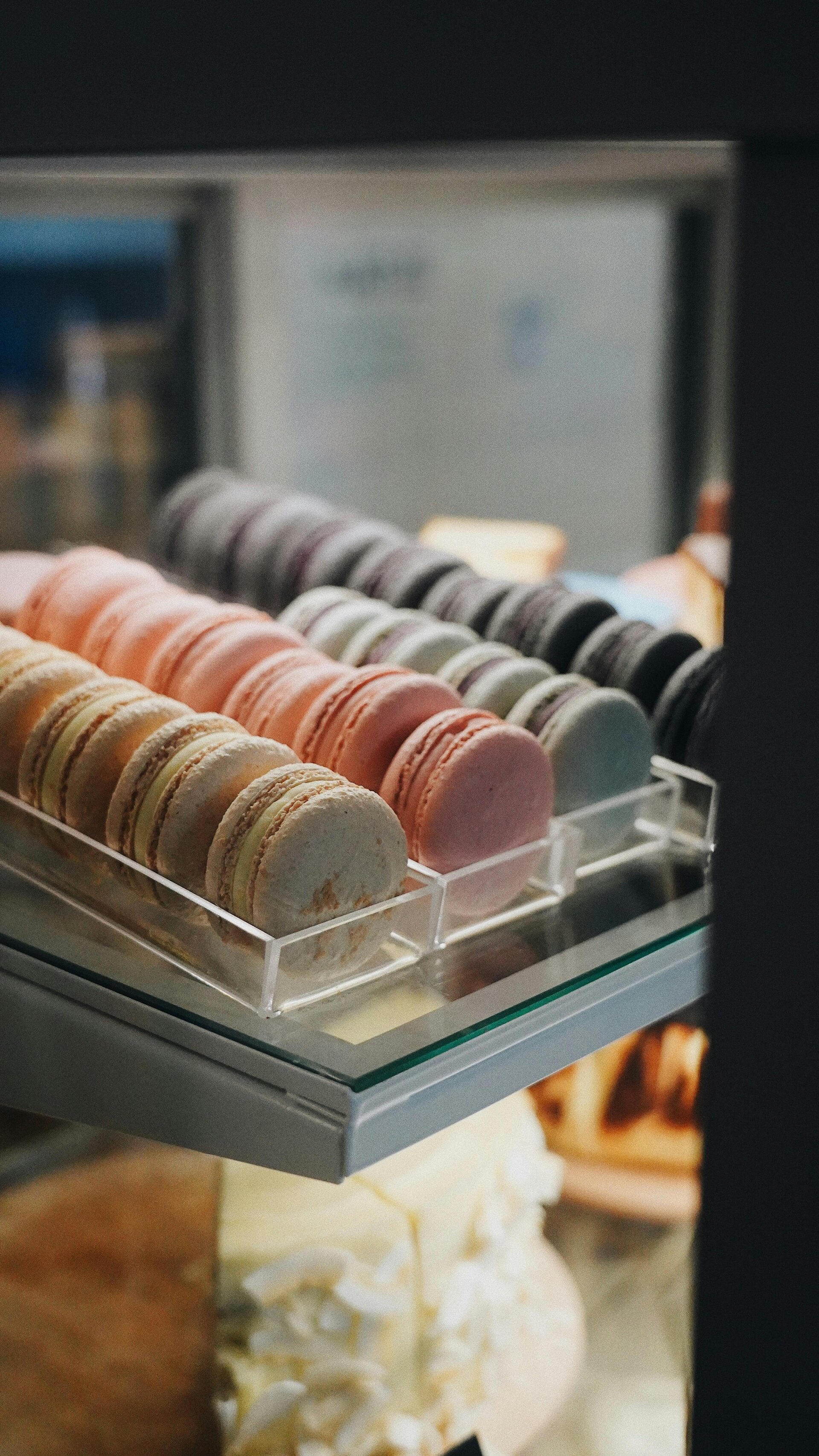
Ingredients you will need for Macarons
To create delightful and authentic Macarons, you'll need the following ingredients:
- For the Macaron Shells:
- 100g almond flour, finely ground
- 100g powdered sugar
- 80g egg whites (aged for at least 24 hours at room temperature, about 2-3 large eggs)
- 80g granulated sugar
- Food coloring (gel or powder, optional)
- For the Buttercream Filling (Example):
- 100g unsalted butter, softened
- 200g powdered sugar
- 1-2 tablespoons milk or cream
- ½ teaspoon vanilla extract
- Optional: flavorings like fruit purée, cocoa powder, or coffee extract
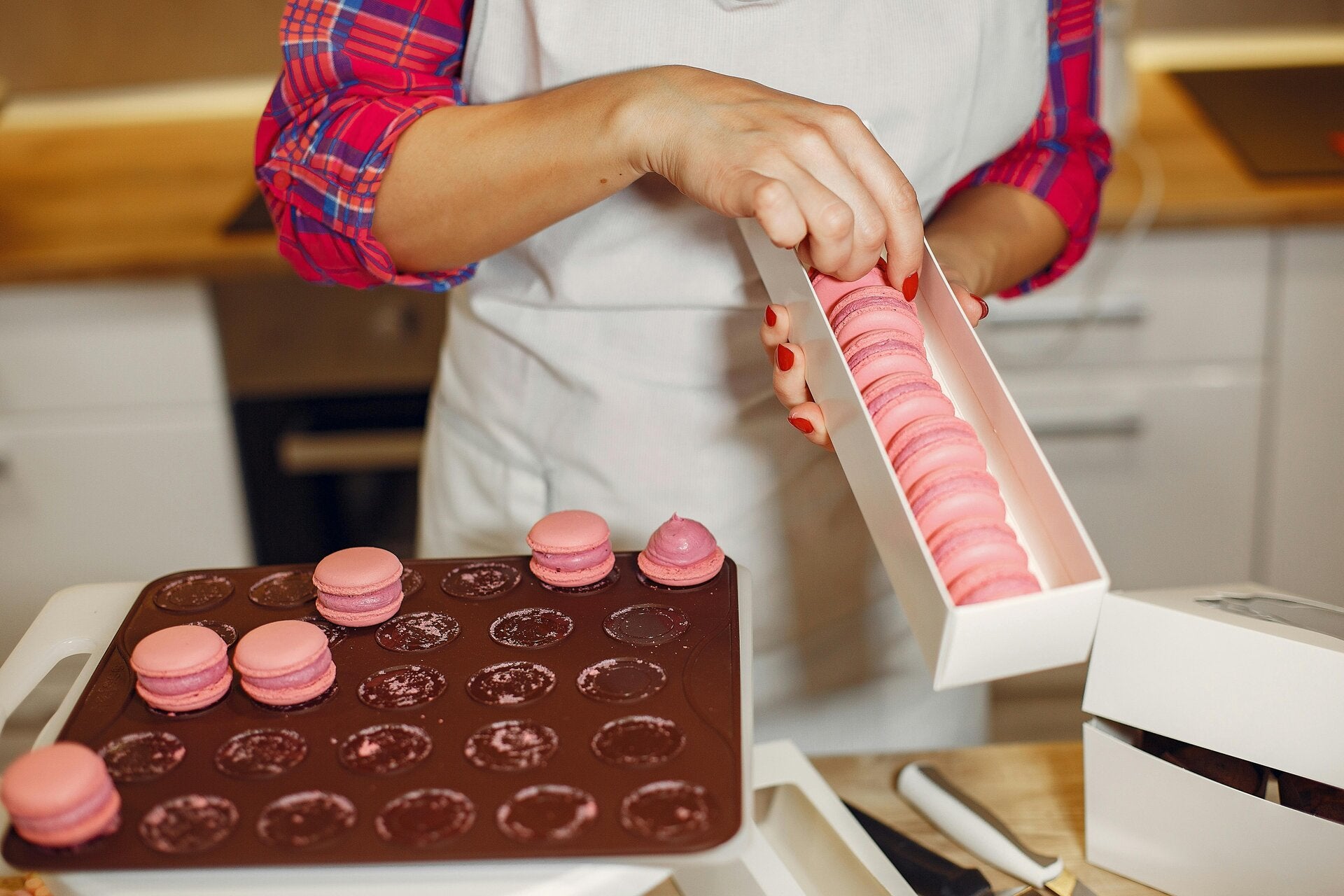
Step-by-step instructions for Macarons
Follow these simple steps to prepare your own exquisite Macarons:
- Prepare the Dry Ingredients:
- Sift together the almond flour and powdered sugar into a bowl. Discard any large almond pieces.
- Repeat sifting process once or twice more for a finer texture.
- Make the Meringue:
- In a clean, dry bowl, beat the aged egg whites with an electric mixer on medium speed until foamy.
- Gradually add the granulated sugar, a tablespoon at a time, while continuing to beat on medium-high speed.
- Continue beating until stiff, glossy peaks form. If using, add food coloring during the last minute of beating.
- Macaronage (Mixing):
- Add the sifted almond flour and powdered sugar mixture to the meringue in two additions.
- Using a rubber spatula, gently fold the dry ingredients into the meringue. This process is called "macaronage."
- Continue folding until the batter flows like molten lava, forming a "ribbon" when lifted, and slowly reincorporates into itself within 20-30 seconds. Be careful not to overmix.
- Pipe the Macarons:
- Transfer the macaron batter to a piping bag fitted with a round tip (e.g., Wilton 1A or 12).
- Pipe 1.5-inch circles onto baking sheets lined with parchment paper or silicone mats. Leave about 1 inch between each macaron.
- Firmly tap the baking sheets on the counter 2-3 times to release any air bubbles. Use a toothpick to pop any remaining bubbles.
- Form the "Feet" (Resting):
- Allow the piped macarons to rest at room temperature for 30-60 minutes, or until a "skin" forms on top. This means you should be able to gently touch a macaron without any batter sticking to your finger. This step is crucial for developing the characteristic "feet."
- Bake the Macarons:
- Preheat your oven to 300°F (150°C).
- Bake one sheet at a time for 12-15 minutes, rotating halfway through. The macarons are done when they have developed "feet" and do not wobble when gently touched.
- Remove from oven and let them cool completely on the baking sheet before peeling them off the parchment or silicone mat.
- Prepare the Filling:
- In a bowl, beat softened butter until creamy.
- Gradually add powdered sugar, milk/cream, and vanilla extract. Beat until light and fluffy.
- Mix in any desired flavorings.
- Assemble the Macarons:
- Once the macaron shells are completely cool, match them up by size.
- Pipe or spread a small amount of filling onto the flat side of one shell.
- Gently top with a matching shell, pressing lightly to create a sandwich.
- Store assembled macarons in an airtight container in the refrigerator for at least 24 hours before serving for the best texture and flavor (this is called "maturing").
Chef's tips for perfect Macarons
Our culinary experts share their top tips to perfect your Macarons, ensuring a delicious and authentic experience every time.
- Aged Egg Whites: Use egg whites that have been separated a day or two in advance and left at room temperature. This helps them whip up better.
- Sift Dry Ingredients Thoroughly: Double or even triple sifting almond flour and powdered sugar ensures a smooth shell.
- Don't Overmix the Batter (Macaronage): This is the trickiest part. The batter should flow like lava from your spatula, not be too runny or too thick.
- Tap the Tray: Tapping the baking sheets after piping helps release air bubbles, preventing hollow shells.
- Resting is Crucial: Allowing the macarons to dry and form a skin before baking is essential for the "feet" to form.
- Oven Temperature is Key: Macarons are sensitive to temperature. Too hot, they crack; too cool, they don't form feet. Get to know your oven!
- Use Gel or Powder Food Coloring: Liquid food coloring can add too much moisture to the batter.
- Cool Completely: Don't try to remove the shells from the baking sheet before they are completely cool, or they will break.
- Maturing Time: While tempting to eat immediately, macarons taste best after "maturing" in the fridge for 24 hours. The filling softens the shell and flavors meld.
- Practice Makes Perfect: Macarons are notoriously finicky. Don't get discouraged if your first batch isn't perfect; keep trying!
We love hearing from you! Leave a comment or rate this recipe to share your experience with our community. Your feedback helps us grow and improve.
Add comment
Comments