

Baguette
**Baguette**, a quintessential French bread, is celebrated for its distinctive long, thin shape, crispy crust, and airy, open crumb. This iconic bread, often enjoyed daily in France, embodies a perfect balance of simplicity and sophisticated baking. A well-made baguette has a deeply golden-brown crust that crackles with each bite, yielding to a soft, chewy interior with irregular, open cells. Whether served alongside a meal, used for sandwiches, or simply enjoyed with butter, the fresh baguette is a symbol of French culinary tradition, representing both everyday pleasure and artisanal craftsmanship.
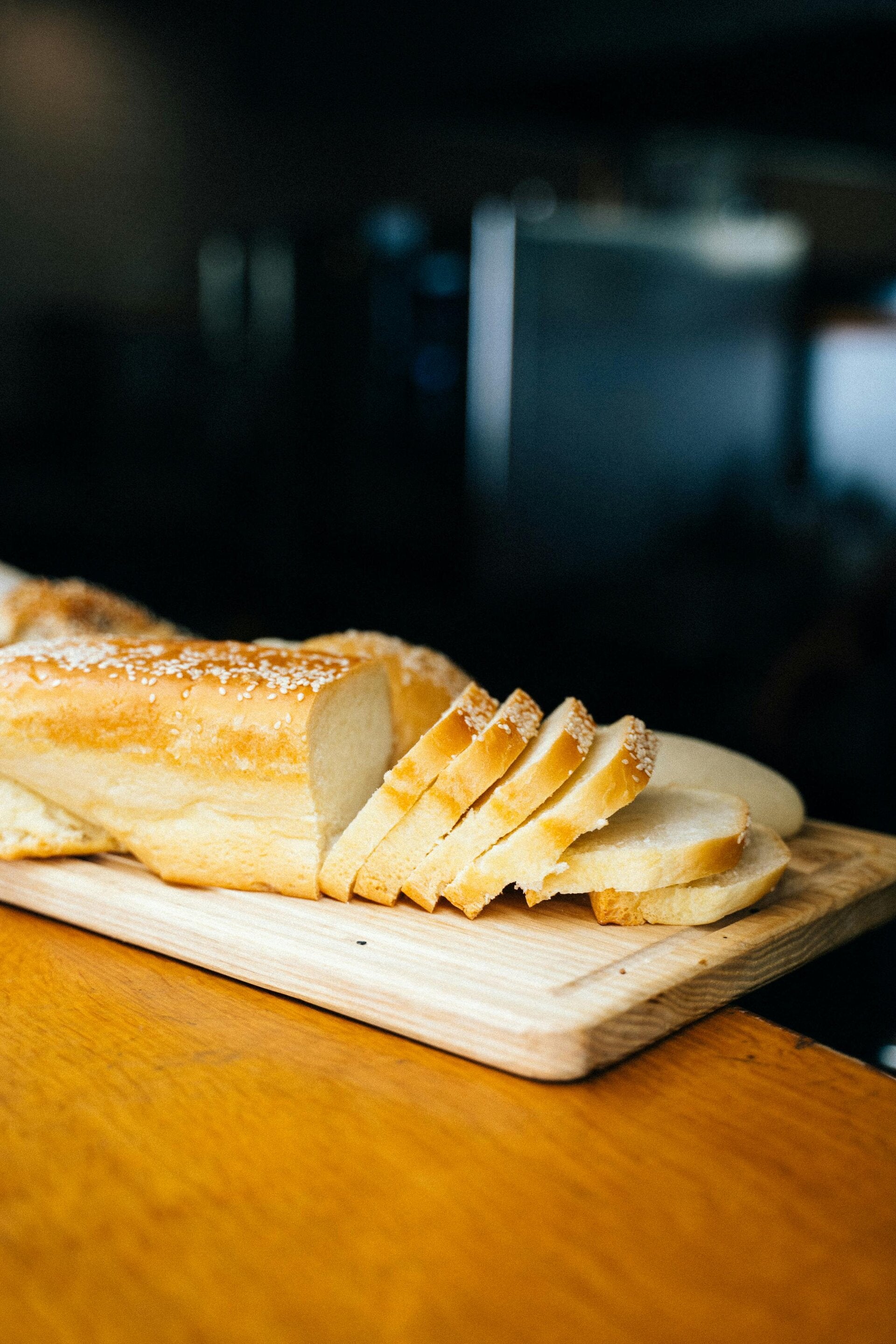
Ingredients you will need for Baguette
To create a delightful and authentic Baguette, you'll need the following ingredients:
- For the Dough:
- 500g strong bread flour (about 4 cups)
- 350ml lukewarm water (about 1.5 cups)
- 10g fine sea salt (about 1.5 teaspoons)
- 5g active dry yeast (about 1.5 teaspoons)
- Optional (for a more developed flavor - pre-ferment or 'poolish'):
- 100g strong bread flour
- 100ml water
- 1g active dry yeast

Step-by-step instructions for Baguette
Follow these simple steps to prepare your own exquisite Baguettes:
- Prepare the Poolish (Optional, overnight):
- In a bowl, mix 100g flour, 100ml water, and 1g yeast. Cover and let sit at room temperature for 12-16 hours until bubbly.
- Mix the Dough:
- In a large bowl, combine the remaining 500g flour, 350ml lukewarm water, 10g salt, and 5g yeast (plus the poolish, if using). Mix with a wooden spoon or your hands until a shaggy dough forms.
- Cover the bowl and let it rest for 30 minutes.
- First Fermentation & Folds:
- Over the next 2-3 hours, perform 3-4 sets of 'stretch and folds' every 30-45 minutes. Gently stretch a portion of the dough up and fold it over itself towards the center. Rotate the bowl and repeat until all sides have been folded. Cover and let rest between folds.
- Divide and Pre-shape:
- Gently turn the dough out onto a lightly floured surface. Divide it into 3 equal pieces.
- Lightly pre-shape each piece into a loose cylinder or rectangle. Cover and let rest for 20-30 minutes.
- Final Shaping:
- Take one piece of dough. Flatten it slightly into a rectangle. Fold the top third down towards the center, then the bottom third up and over the first fold. Pinch the seam closed.
- Roll the dough to lengthen it, applying gentle pressure from the center outwards, until it reaches your desired baguette length (around 12-15 inches). Try to maintain tension on the surface.
- Place shaped baguettes seam-side up on a floured couche (linen cloth) or parchment paper, creating folds between them to support their shape.
- Proofing:
- Cover the baguettes and proof at room temperature for 45-60 minutes, or until they have increased in volume but are not overly puffy. They should spring back slowly when gently poked.
- Baking:
- Preheat oven to 475°F (245°C) with a baking stone or steel inside for at least 30-45 minutes. Also, place a metal pan on the bottom rack for steam.
- Carefully transfer the baguettes to the hot baking surface. Score the top of each baguette with 3-5 diagonal cuts using a sharp knife or lame.
- Pour 1 cup of hot water into the preheated metal pan at the bottom of the oven (creating steam).
- Bake for 20-25 minutes, or until deeply golden brown and crispy. Remove from oven and cool on a wire rack.
- Serve Immediately:
- Baguettes are best enjoyed fresh, ideally within a few hours of baking.
Chef's tips for perfect Baguette
Our culinary experts share their top tips to perfect your Baguette, ensuring a delicious and authentic experience every time.
- Hydration is Key: Baguette dough is typically high in hydration, which contributes to its open crumb. Don't be afraid if the dough feels sticky initially.
- Gentle Handling: Handle the dough gently throughout the process to preserve the air bubbles formed during fermentation.
- Develop Gluten with Folds: The 'stretch and fold' technique is crucial for developing gluten without extensive kneading, which helps create that signature open crumb.
- Proper Shaping: Tightly shaping the baguettes creates tension on the surface, which aids in a good oven spring and a crisp crust.
- Score with Confidence: Deep, quick cuts with a sharp lame or knife allow the bread to expand properly in the oven, creating beautiful 'ears'.
- Steam is Essential: A steamy oven environment in the first part of baking keeps the crust soft, allowing the bread to fully expand before it sets. This also contributes to a glossy, crispy crust.
- Don't Overproof: Overproofed baguettes will collapse in the oven. Look for a slow rebound when poked.
- High Oven Temperature: Baguettes bake best at high temperatures to achieve a good crust and oven spring.
- Baking Stone/Steel: A preheated baking stone or steel helps transfer heat efficiently to the dough, promoting a stronger bottom crust and better oven spring.
- Cool Completely: Although tempting, allow baguettes to cool on a wire rack for at least 30 minutes. This allows the internal moisture to redistribute, resulting in a better texture and flavor.
We love hearing from you! Leave a comment or rate this recipe to share your experience with our community. Your feedback helps us grow and improve.
Add comment
Comments